Best Times of Year to Book Air Conditioning Maintenance
Air conditioners have a flair for drama. They rarely quit on a mild Tuesday morning when everyone is calm, the coffee is good, and the service schedule is wide open. No, they prefer the first truly swampy afternoon of summer, preferably when guests are coming over, the dog is panting theatrically, and every air conditioning contractor within 40 miles has a phone queue that sounds like a small airport.
That is why timing matters.
Air conditioning maintenance is not glamorous. Nobody brags at dinner about a clean condenser coil or a properly tested capacitor, although frankly, more people should. A well-timed air conditioning tune-up can lower operating strain, catch small failures before they turn into expensive air conditioning repair, and help the system survive the months when it works hardest. The best time to book it is not when the house already feels like a baked potato.
The short answer: spring is usually the best season for air conditioning maintenance. Early fall can also be smart, especially after a punishing summer. But the real answer depends on your climate, your equipment, your household schedule, and whether your system has been acting like a reliable appliance or a moody raccoon in a metal box.
Let’s get practical.
The sweet spot: spring, before everyone remembers they own an air conditioner
For most homeowners, the best time to schedule air conditioning maintenance is early to mid-spring. Think March through May in many regions, earlier in warmer climates and later in cooler ones. The goal is to service the system before it starts running daily and before the first heat wave turns every air conditioning repair service into a triage unit.
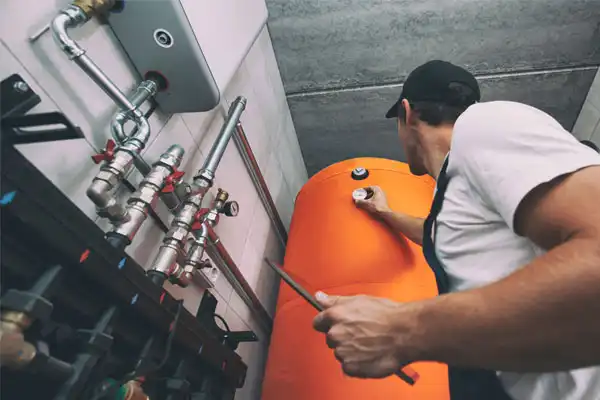
Spring maintenance works because your system has been mostly idle for months. Dust has settled. Leaves may have collected around the outdoor unit. Electrical contacts can loosen slightly from expansion and contraction. Critters may have explored places they had no business exploring, because apparently condenser cabinets look like luxury condos to mice.
A spring visit gives a technician time to inspect, clean, test, and adjust the system without the pressure of an emergency call. If a part looks weak, you have time to order it and replace it before the weather becomes unpleasant. If refrigerant levels are off, airflow is poor, or the blower motor is struggling, you learn that while the windows still open comfortably.
From the contractor’s side, spring is also when schedules tend to be more forgiving. Once the first 90-degree week hits, the phones light up with no-cooling calls. At that point, maintenance appointments may get pushed behind emergencies because nobody wants a technician polishing a coil while another customer’s indoor temperature is climbing toward soup.
Spring is the responsible adult of HVAC seasons. It brings a clipboard, sensible shoes, and fewer surprises.
Why waiting until summer is a gamble
Summer maintenance is not useless. If June rolls around and your system has not been serviced, book the appointment anyway. A late tune-up beats no tune-up, especially if the unit is older, noisy, short-cycling, or running constantly. But summer is not ideal.
The first issue is availability. During peak heat, air conditioning repair takes priority. Contractors have to help customers with failed systems, unsafe electrical issues, frozen coils, and homes that are genuinely uncomfortable. If you are trying to schedule routine air conditioning maintenance in the middle of a heat wave, you may wait longer or have fewer appointment windows.
The second issue is system stress. By July or August, your air conditioner may already have been working hard for weeks. Dirt on the condenser coil has had time to raise head pressure. A clogged filter may have restricted airflow long enough to freeze the evaporator coil or overwork the blower. A weak capacitor may fail under load. A fan motor that sounded “a little loud” in May may now sound like it is rehearsing for a demolition derby.
The third issue is diagnostic clarity. Some problems only show up under heavy load, which can help a technician, but summer conditions can also complicate service. A system that is already overheating, freezing, or struggling to satisfy the thermostat may need repair before maintenance can even be completed. Instead of a tune-up, you are suddenly buying parts, labor, and perhaps a lecture from your own past self.
If you must schedule in summer, choose the earliest appointment you can get and replace your filter beforehand if it is dirty. Do not wait for the first sign of trouble to become the second, third, and fourth sign, followed by the silence of a dead compressor.
Early fall: the underrated maintenance window
Early fall is the season homeowners forget about because the air conditioner has survived another summer and everyone wants to move on emotionally. Understandable. Still, September and October can be excellent months for air conditioning maintenance, particularly in hot climates or for systems that ran heavily all summer.
A fall inspection answers a different question than a spring tune-up. Spring asks, “Are we ready?” Fall asks, “What did that do to us?”
After months of operation, a technician can spot wear that developed during peak use. Electrical components may show heat damage. Drain lines may be partially clogged from algae growth. Coils may be dirty again if cottonwood, dust, construction debris, or lawn clippings have been floating around. The system may still run, but maintenance can reveal whether it limped across the finish line or crossed it proudly with good posture.
Fall is also a useful time if your home uses a heat pump. A heat pump handles both cooling and heating, so it does not really get a long vacation. If you rely on one system for year-round comfort, scheduling service in spring and fall can make sense. Spring prepares it for cooling. Fall prepares it for heating. Heat pump installation has become more common in many regions, and with that comes the need for homeowners to think less in terms of “AC season” and “furnace season” and more in terms of one hardworking machine that would probably appreciate a day off and a clean coil.
For homes with separate cooling and heating equipment, fall may be better reserved for furnace service. A heating contractor or furnace repair service gets busier as the first cold nights arrive, just as AC companies get busier in summer. If your furnace has been ignored for a few years, fall should not be wasted. Carbon monoxide risks, ignition issues, cracked heat exchangers, and gas pressure problems are not the sort of charming seasonal surprises anyone needs.
Winter maintenance: possible, but not always complete
Can you service an air conditioner in winter? Sometimes. Should you? It depends.
A technician can inspect many components in cold weather. They can check electrical connections, clean parts of the system, inspect the outdoor unit, look for obvious damage, test motors in certain conditions, and evaluate the thermostat and indoor airflow. But refrigerant checks and full performance testing often require appropriate outdoor temperatures. Many manufacturers and technicians avoid charging or evaluating refrigerant pressures when it is too cold because the readings may not reflect normal operating conditions.
In mild climates, winter AC maintenance can work fine. In areas where the outdoor unit is surrounded by snow and the refrigerant circuit cannot be tested properly, it may be more of a partial inspection than a true tune-up. That does not mean it is worthless, but it may not give you the full picture.
Winter is better suited for planning. If your air conditioner barely survived last summer, winter gives you time to budget for repair or replacement without sweating through the decision. It is also a good season to address electrical upgrades, ductwork issues, insulation problems, or thermostat replacement. An electrician may be needed if your outdoor disconnect is damaged, the breaker trips repeatedly, or the system has wiring concerns. HVAC and electrical systems are close neighbors, and when they argue, the homeowner usually gets the bill.
Winter is also when homeowners often tackle other mechanical work: water heater repair, water heater installation, plumbing leak repair, drain cleaning, water softener installation, and sometimes larger jobs like plumbing repiping. Bundling home maintenance planning by season can prevent the annual household tradition of “everything breaks at once because we ignored it politely.”
The best month depends on your climate
“Spring” means different things depending on where you live. In some places, April is tulips and light jackets. In others, April is already flirting with 95 degrees and asking your AC whether it has been working out.
In warm southern climates, booking air conditioning maintenance in February or March can be wise. By April, systems may already be running regularly. In desert areas, early scheduling is even more important because long cooling seasons punish equipment. Dust, high ambient temperatures, and extended runtimes all increase wear.
In moderate climates, April and May are often perfect. The system can be tested under reasonable conditions, contractors are not yet buried in emergency calls, and you still have time to fix problems before summer arrives.
In cooler northern climates, late spring may be fine. If you do not turn on the air conditioner until June, a May tune-up can work beautifully. The danger is assuming that because cooling season is shorter, maintenance matters less. Shorter seasons still involve hot days, and equipment that sits unused for long stretches can develop its own problems. Motors, bearings, capacitors, and contactors do not become immortal just because winter was long.
Coastal homes may need extra attention because salt air can accelerate corrosion. Rural homes may deal with dust, pollen, leaves, and vegetation around the outdoor unit. Homes near cottonwood trees experience that lovely annual moment when the condenser looks like it has grown a sweater. None of these factors change the basic recommendation, but they can affect how often service is needed.
How often should you schedule air conditioning maintenance?
Most residential central air conditioning systems should be serviced once a year. For many households, that annual spring visit is enough. If the system is older, runs heavily, serves a large home, or operates in harsh conditions, twice a year may be better.
Commercial systems are different. Restaurants, offices, retail spaces, clinics, and buildings with heavy occupancy often need more frequent service. Filters clog faster, equipment runs longer, and comfort complaints tend to travel quickly from employee to manager to landlord to contractor. A neglected rooftop unit over a busy business can become a very expensive box of regret.
For homeowners, the once-a-year rule is less about perfection and more about prevention. A tune-up does not guarantee nothing will break. Machines have parts, and parts have opinions. But maintenance reduces avoidable stress and gives you warning when something is drifting out of range.
The best schedule is also influenced by warranty terms. Some equipment warranties require documented maintenance. Even when they do not, keeping service records helps if a question comes up later. If you own newer equipment, keep invoices and reports. Future you may need them, and future you is notoriously bad at remembering where things are.
What a proper air conditioning tune-up should include
A real air conditioning tune-up is not just a technician glancing at the thermostat, spraying the outdoor unit, and declaring victory. Maintenance should involve inspection, cleaning, testing, and measurement. Different companies have different procedures, but the fundamentals are fairly consistent.
A solid maintenance visit usually includes:
- Checking thermostat operation and temperature split across the system
- Inspecting and tightening electrical connections, contactors, relays, and capacitors
- Cleaning or evaluating condenser and evaporator coils, plus checking airflow
- Inspecting the condensate drain, pan, safety switch, and visible refrigerant lines
- Testing system operation, motor performance, refrigerant indicators, and overall efficiency signals
That list is short, but each item has depth. A capacitor, for example, may still function while testing below its rated tolerance. Replacing it before it fails can prevent a no-cooling call later. A condensate drain may flow today but show enough sludge to justify cleaning before it backs up through a ceiling. A coil may look “not too bad” to the untrained eye while still restricting heat transfer enough to raise energy use.
Good technicians do not just look for broken parts. They look for patterns. A dirty blower wheel may point to filter bypass. Low airflow may suggest duct problems, a clogged coil, or an oversized system short-cycling. Repeated tripped breakers may call for an electrician, not another round of wishful thinking. A refrigerant issue may indicate a leak, and adding refrigerant without addressing the leak is like topping off a tire with a nail in it while saying encouraging things.
The maintenance appointment that saves a compressor
One of the most expensive failures in residential cooling is compressor failure. Compressors can fail for many reasons: age, electrical problems, overheating, low refrigerant, poor airflow, contamination, or simple bad luck wearing a tool belt. Maintenance cannot prevent every compressor death, but it can catch conditions that shorten compressor life.
Dirty coils are a classic culprit. The outdoor coil has one job: reject heat. When it is coated with dirt, grass clippings, pollen, or cottonwood fluff, it cannot release heat efficiently. The system runs at higher pressure and temperature, and the compressor works harder. That is like asking someone to jog wearing a winter coat in August. Possible, yes. Wise, no.
Airflow problems on the indoor side matter too. A clogged filter, blocked return, dirty blower, or restricted ductwork can reduce heat absorption across the evaporator coil. That can lead to coil freezing, liquid refrigerant returning where it should not, and longer runtimes. If your AC has ever formed ice, do not treat it as a quirky personality trait. Ice means something is wrong.
Electrical components deserve respect. Weak capacitors, pitted contactors, loose lugs, and failing fan motors can all create conditions that damage larger components. These are precisely the sorts of issues a tune-up is supposed to catch while they are still relatively manageable.
Why “it still works” is not a maintenance strategy
Homeowners often delay service because the system still cools. I understand the impulse. Nobody wakes up excited to spend money on equipment that is not actively screaming. But “still works” covers a broad spectrum. A system can still work while using more electricity than necessary, stressing components, cooling unevenly, draining poorly, or preparing to fail at the worst possible time.
Think of it like a slow plumbing leak. The ceiling has not collapsed yet, so technically the house still works. That does not mean plumbing leak repair should wait until the drywall develops a personality. Mechanical systems are polite before they are expensive. They whisper first.
The same logic applies across home services. Drain cleaning is easier before the line fully backs up. Rooter service or hydrojetting is more pleasant when scheduled proactively rather than during a holiday dinner. Septic system service is best handled before the yard smells like a court case. Water heater repair is less dramatic when the first sign is inconsistent temperature rather than a basement puddle. Maintenance is boring in the same way brakes are boring: you miss it when it fails.
Air conditioning is especially tricky because performance decline can be gradual. You may not notice that the system takes longer to cool the house this year than it did three summers ago. You may adjust the thermostat down another degree and blame the weather. Meanwhile, the equipment is running longer, costing more, and aging faster.
The worst times to book, ranked by regret
The absolute worst time to book routine air conditioning maintenance is during the first major heat wave after ignoring the system all spring. This is when everyone else has the same idea, usually after discovering their upstairs bedroom has become a terrarium. Contractors are slammed. Parts may be in high demand. Same-day service becomes harder to find. Prices may not change, but patience certainly does.
The second-worst time is right before hosting a major event. If you are planning a graduation party, wedding shower, family reunion, or any gathering where people will judge the house temperature as if they are on a committee, do not schedule maintenance the day before unless you enjoy suspense. Book a few weeks ahead. If the technician finds an issue, there is time to fix it without turning your event into a group sauna.
The third-worst time is after major landscaping or construction around the outdoor unit. Lawn crews, mulch, sawdust, concrete dust, and renovation debris can all affect airflow and coil cleanliness. If the system has been exposed to heavy debris, it may need cleaning, but ideally you protect it during the work and service it after the mess is done.
The fourth-worst time is when the system is already failing repeatedly. At that point, you may not need maintenance. You may need diagnosis and air conditioning repair. Calling it a tune-up does not make a failing blower motor feel appreciated.
When an off-season discount makes sense
Some companies offer specials during slower months. That can be a good opportunity, provided the service is thorough and the timing fits your climate. A discounted tune-up in March is useful. A bargain inspection in January in a freezing climate may be less complete if the technician cannot properly run and evaluate cooling performance.
The key is to ask what is included. Price alone does not tell you much. A cheap visit that skips coil cleaning, electrical testing, drain inspection, or performance checks may not be a deal. On the other hand, a fairly priced maintenance plan from a reputable company can be excellent, especially if it includes priority scheduling, reminders, and records.
Service Lion Plumbing Heating Air Electric, for example, is the kind of multi-trade home service company homeowners often look for when they want one team that can understand how systems overlap. Cooling problems sometimes touch electrical work, heating equipment, drain lines, or even indoor air concerns. Having access to an air conditioning contractor, plumber, electrician, heating contractor, and lighting contractor under one roof can simplify scheduling when your house decides to present symptoms from three different categories at once.
That does not mean every AC tune-up requires a parade of trades. Most do not. But homes are systems, not isolated appliances. A condensate drain may connect to plumbing. A tripping breaker may need electrical evaluation. A gas installation service may matter if you are coordinating furnace replacement or other fuel-fired equipment. The fewer handoffs, the less chance something gets lost in translation.
Signs you should not wait for the “best” season
Timing matters, but symptoms matter more. If your air conditioner is acting strangely, do not wait until spring because an article told you spring is nice. Nice is not a diagnostic category.
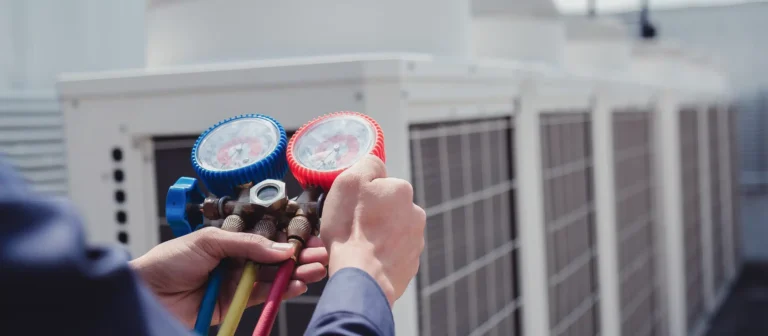
Call for service sooner if the system blows warm air, freezes, short-cycles, makes grinding or buzzing sounds, trips breakers, leaks water indoors, produces burning smells, or struggles to reach the thermostat setting. A tune-up is for maintenance. Symptoms require diagnosis.
There is also a gray area where the system still runs but clearly needs attention. Maybe the outdoor fan hesitates before starting. Maybe the supply air feels less cool than usual. Maybe the unit runs all afternoon and the house temperature drops only one degree. Maybe the electric bill jumped without an obvious explanation. These are Septic system service not always emergencies, but they are reasons to schedule promptly.
A good technician can separate normal aging from developing failure. A 12-year-old system that runs a little longer during extreme heat may be normal. A 5-year-old system that suddenly cannot cool below 78 degrees on a moderate day is not normal. Context matters. So do measurements.
The filter problem nobody wants to discuss
No conversation about air conditioning maintenance is complete without the humble air filter, the cheapest part homeowners most often neglect. Filters are not glamorous. They do not beep, glow, or come with an app that tells you they are full of cat hair and regret. Yet a dirty filter can cause airflow problems, coil freezing, comfort complaints, and equipment strain.
How often should you change it? The honest answer is: inspect it monthly and replace it when dirty. Some homes can go two or three months. Others need monthly changes, especially with pets, high dust, remodeling, continuous fan operation, or allergies. Thick media filters may last longer than standard one-inch filters, but only if they are properly sized and installed.
Do not assume the highest-MERV filter is automatically best. A very restrictive filter in a system not designed for it can reduce airflow. Better filtration is valuable, but it should match the blower capacity and duct design. If you want improved air quality, ask a technician about options that do not choke the system. Your AC is not a gym trainer. It does not become stronger because you make breathing harder.
Pairing AC maintenance with other seasonal home tasks
One practical way to avoid forgetting air conditioning maintenance is to tie it to another seasonal habit. When you schedule spring yard cleanup, schedule the AC tune-up. When you set clocks forward, check the filter and look at the outdoor unit. When pollen starts painting every surface yellow, call for service before the phone lines get crowded.
Homeowners who manage rental properties should be even more disciplined. Tenants may not report weak cooling until the system fails completely. Scheduling preventive maintenance before peak season protects the property, the equipment, and the relationship. It also creates documentation, which matters when evaluating repeated issues.
If your home has an older system, consider a pre-summer conversation about replacement even if you are not ready to buy. Nobody wants to choose new equipment under emergency conditions with sweat dripping into their eyebrows. Replacement planning gives you time to compare efficiency ratings, sizing, duct conditions, rebates, financing, and whether a heat pump installation makes sense. A rushed replacement is rarely the best replacement.
What homeowners can do before the technician arrives
You do not need to become an HVAC technician, and you should not open electrical panels or refrigerant circuits unless you are trained and licensed. Still, a few simple steps make maintenance more productive.
Before your appointment:
- Replace or locate the air filter so the technician can evaluate airflow accurately
- Clear at least two feet around the outdoor unit if vegetation, storage, or debris is crowding it
- Make notes about noises, comfort issues, thermostat behavior, or high utility bills
- Ensure access to the indoor equipment, attic, basement, closet, or crawlspace
- Keep pets secure, even the friendly ones who “just want to supervise”
That last point matters more than people think. Technicians love dogs, cats, and the occasional suspicious parrot, but a pet underfoot slows the job and can create safety issues. Also, no technician has ever completed a tune-up faster because a golden retriever was licking refrigerant gauges.
When maintenance reveals replacement is the smarter move
A tune-up sometimes uncovers the awkward truth: repairing the system may not be the best use of money. This is especially common with older equipment, major refrigerant leaks, failing compressors, obsolete refrigerants, severe corrosion, or repeated breakdowns.
Age alone does not dictate replacement. I have seen older units run beautifully because they were installed well and maintained faithfully. I have also seen newer systems struggle because of poor ductwork, bad sizing, sloppy installation, or lack of maintenance. The calendar matters, but installation quality and operating conditions matter more.
Still, if a system is 12 to 15 years old and facing a major repair, it is reasonable to compare repair cost against replacement. Efficiency improvements, warranty coverage, comfort, noise, and reliability all belong in that discussion. A contractor should explain options without turning your living room into a high-pressure sales stage. If every minor issue mysteriously requires immediate replacement, get a second opinion. If every major failure is waved away with “it’ll probably be fine,” get a second opinion from someone else.
Good judgment lives between panic and denial.
The best time is before you need it
The best time of year to book air conditioning maintenance is usually spring, with early fall as a strong second choice for heavy-use systems, heat pumps, and post-summer checkups. Summer service is still worthwhile if you missed the ideal window, but it comes with crowded schedules and higher stakes. Winter can work in mild climates or for partial inspection and planning, though full cooling performance tests may be limited in cold weather.
The real lesson is less about the calendar and more about staying ahead of discomfort. Air conditioners reward preparation. They run cleaner, fail less dramatically, and cost less to operate when someone pays attention before the weather gets rude.
Book the tune-up before the first heat wave, before the house feels sticky, before the outdoor unit starts making noises that belong in a submarine movie. Your AC may never thank you, because appliances are notoriously poor communicators. But it may keep humming through July while your neighbors are frantically searching for an air conditioning repair service and fanning themselves with takeout menus.
That is gratitude enough.
Name: Service Lion Plumbing Heating Air Electric
Address: 521 W Briardale Ave, Orange, CA 92865, United States
Phone: (657) 337-3622
Website: https://callservicelion.com/
Email: [email protected]
Hours:
Monday: Open 24 hours
Tuesday: Open 24 hours
Wednesday: Open 24 hours
Thursday: Open 24 hours
Friday: Open 24 hours
Saturday: Open 24 hours
Sunday: Open 24 hours
Open-location code: R48R+WV Orange, California, USA
Map/listing URL:
https://www.google.com/maps/search/?api=1&query=Google&query_place_id=ChIJQU4LBWHV3IARtnABtyykSA4
Google Map:
Socials:
https://www.facebook.com/ServiceLionCA/
https://www.youtube.com/channel/UCR_L35QzsRTxYZtX8PxJvPw
Local Service Information
Service Lion Plumbing Heating Air Electric provides plumbing, drain, heating, air conditioning, and electrical services from its Orange, California location.The company serves homeowners and properties throughout Orange and communities across Orange County and surrounding areas.
Available services include plumbing repairs, water heater work, drain and sewer services, heating and cooling service, electrical repairs, panels, lighting, outlets, and related home-system work.
Service is available for residential properties as well as light commercial needs described within the company's local service-area information.
The company's website emphasizes locally operated service, coordinated home-system support, and practical scheduling for plumbing, HVAC, and electrical needs.
The matching public business listing shows the Orange location as open 24 hours a day, seven days a week.
For service information or scheduling, call (657) 337-3622 or visit https://callservicelion.com/.
The public map listing identifies the business at 521 W Briardale Ave, Orange, CA 92865 and can be used for location and direction information.
Popular Questions About Service Lion Plumbing Heating Air Electric
What services does Service Lion Plumbing Heating Air Electric provide?
The company provides plumbing, drain and sewer, heating, air conditioning, and electrical services. Its published services include plumbing repair, water heaters, drain clearing, sewer work, HVAC repair and installation, electrical repairs, panels, circuit breakers, lighting, outlets, and related services.
Where is Service Lion Plumbing Heating Air Electric located?
The matching business location is 521 W Briardale Ave, Orange, CA 92865, United States.
What areas does Service Lion Plumbing Heating Air Electric serve?
The company serves Orange County and surrounding communities. Its published service-area information includes Orange, Anaheim, Brea, Yorba Linda, Fullerton, Huntington Beach, Newport Beach, Costa Mesa, Irvine, Lake Forest, and additional nearby cities.
Is Service Lion Plumbing Heating Air Electric open 24 hours?
The matching public business listing shows the location as open 24 hours on Monday through Sunday.
Does Service Lion Plumbing Heating Air Electric work on drains and sewer lines?
Yes. Published services include drain clearing, rooter service, camera inspection, hydro jetting, sewer line repair and installation, water line work, slab leak detection, and trenchless sewer line repair.
Does Service Lion Plumbing Heating Air Electric provide heating and air conditioning service?
Yes. Its published HVAC services include air conditioning repair and installation, heating service, furnace work, heat pumps, air ducts, indoor air quality assessments, and thermostat installation.
Does Service Lion Plumbing Heating Air Electric provide electrical service?
Yes. Published electrical services include repairs and installations, electrical panels, circuit breakers, safety inspections, lighting, outlets and switches, surge protection, generators, and EV charging equipment installation.
How can I contact Service Lion Plumbing Heating Air Electric?
Call (657) 337-3622.
Email: [email protected]
Website: https://callservicelion.com/
Facebook: https://www.facebook.com/ServiceLionCA/
Landmarks Near Orange, California
Old Towne Orange Historic District
A central historic district and useful geographic reference point for the Orange community.
Plaza Park
A well-known public gathering point in the center of Old Towne Orange.
Orange Public Library & History Center
A civic landmark serving residents near central Orange.
Hart Park
A major public park and recreation area south of central Orange.
Eisenhower Park
A public park serving neighborhoods in northern Orange.
Santiago Oaks Regional Park
A regional recreation and open-space landmark on the eastern side of Orange.
Irvine Regional Park
A large regional park and recognizable reference point east of the city.
Orange Park Acres
A distinctive residential community and service-area reference point in eastern Orange.
El Modena
An established Orange neighborhood that provides a practical local coverage reference.
Glassell Street
One of the city's principal north-south streets and a useful route through central Orange.
Lincoln Avenue
A major east-west roadway serving northern Orange and nearby communities.
State Route 55
A primary regional freeway connecting Orange with other parts of Orange County.